The Sunglass Madman and the Birth of RED: The Garage Disruptor of Hollywood
06/07/2026
Share
The Sunglass Madman and the Birth of RED: The Garage Disruptor of Hollywood
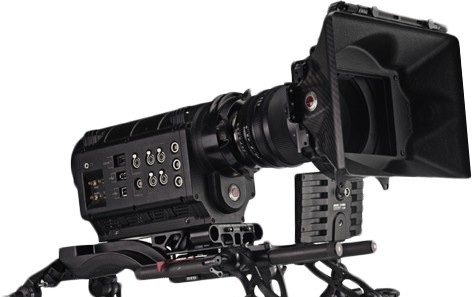
The weapon of disruption: The original RED ONE (2007). It destroyed the 1080p digital limitation and dragged a stubborn Hollywood kicking and screaming into the 4K RAW era.(Image from internet)
Ask a beginner who spearheaded the 4K digital cinema revolution, and they’ll likely guess Sony or the century-old titan, ARRI.
But the brutal historical truth is that the man who dragged Hollywood out of its low-resolution digital mud was a man who sold sports sunglasses: Jim Jannard, the billionaire founder of Oakley.
This is the wildest “outsider disrupts the insiders” story in cinema history—a hacker rebellion born in a warehouse that forever changed how movies are made.
The Dark Ages: The 1080p Digital Compromise
Rewind to 2005. Hollywood was suffering through the painful transition between celluloid film and digital capture.
The early “digital cinema cameras” (like the Sony F900 used by George Lucas for Star Wars: Episode II) were touted as revolutionary, but to hardcore filmmakers, they were industrial garbage. They featured tiny sensors, maxed out at a pathetic 1080p resolution, and recorded heavily compressed video signals directly to tape.
There was no shallow depth of field, terrible dynamic range, and highlights clipped to an ugly, irrecoverable white. Compared to the massive data information of 35mm film (roughly equivalent to modern 4K+ or 6K), these early digital rigs felt like cheap consumer camcorders. The legacy camera giants were arrogant: “This is the best digital can do right now. Take it or leave it.”
The Madman's Fury: "This is Garbage"
Jim Jannard, the billionaire founder of Oakley sunglasses. Driven by pure frustration over terrible digital image quality, he funded a hacker-style rebellion against the established cinema giants. (Image from internet)
Jim Jannard wasn’t just a billionaire who made his fortune selling Oakley shades; he was a fanatical camera gearhead.
Watching legacy brands monopolize the market with overpriced, subpar digital cameras infuriated him. He viewed it as an insult to creators’ intelligence. So, he made an insane decision: “If you guys can’t build a digital camera that rivals film, I’ll build it myself.”
He assembled a rogue team of top-tier engineers and hardware hackers in a California warehouse, founding RED Digital Cinema. His objective was outrageously arrogant: to build a camera with a Super 35mm-sized sensor, 4K resolution, lossless RAW recording, and a price tag under $20,000.
Corporate Laughter and "Vaporware"
When Jannard announced the “RED ONE” project at the 2006 NAB (National Association of Broadcasters) Show, Hollywood and the traditional camera monopolies laughed him out of the room.
Executives from ARRI and Panavision scoffed privately. Online filmmaking forums were flooded with mockery, branding the Oakley billionaire a fraud. Everyone assumed the RED ONE was just “vaporware” (a fake product that exists only in PowerPoint presentations). According to the industrial logic of the time, processing 4K RAW data inside a cheap, compact body would literally melt the camera from overheating.
2007: The RED ONE Detonates
The madman didn’t bluff. In 2007, the RED ONE officially shipped.
When the first batches landed in the hands of pioneering directors like Peter Jackson (The Lord of the Rings) and Steven Soderbergh, the entire industry went dead silent. It actually worked.
The Mysterium 4K Sensor: It violently dragged digital cinema out of the 1080p era, delivering cinematic depth of field and resolution.
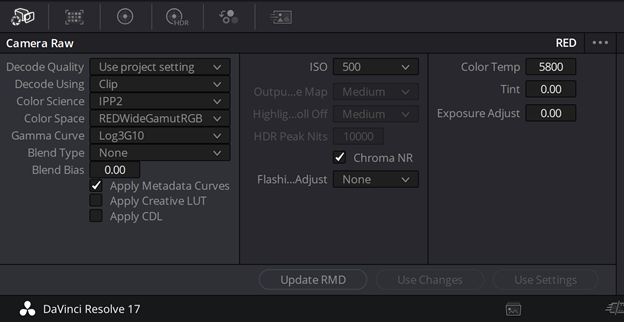
REDCODE RAW: It shattered the curse of baked-in video compression. It allowed cinematographers to manipulate white balance, ISO, and exposure in post-production with zero quality loss, treating digital data exactly like a digital negative.
The REDCODE RAW revolution. Unlike compressed video, recording raw sensor data allowed cinematographers to adjust ISO, white balance, and exposure in post-production with zero quality loss.(Image from internet)
The legacy giants panicked. The RED ONE acted as a depth charge, destroying the exorbitant pricing models of Sony and ARRI. In fact, it was RED’s relentless technological pressure that ultimately forced ARRI to bite the bullet and develop their own legendary digital workhorse—the ARRI Alexa.
Conclusion: Uncompromising Standards
At ME Studio Academy, as we casually enjoy 4K or even 8K RAW recording on our modern mirrorless cameras, we must remember the sunglass salesman who declared war on the establishment from his garage.
The birth of RED teaches us a hardcore practical truth: Never let so-called “industry standards” define your limitations. Technological bottlenecks are often artificially imposed by those in power. True cinematic dominance belongs to the rebels who refuse to compromise, master their craft, and dare to flip the bird to the status quo.